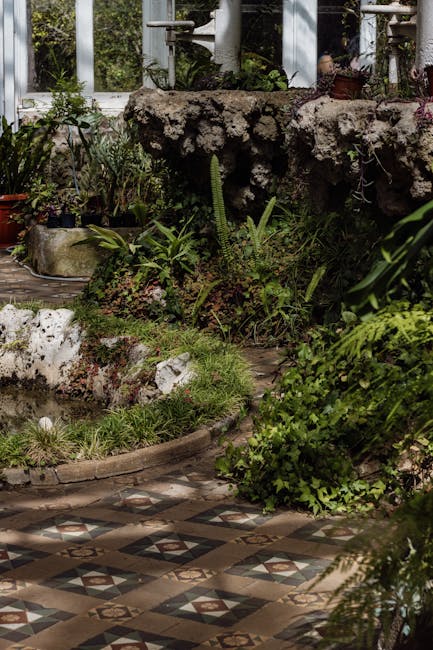
Best gardeners for Crystal Palace Park homes SE19
If you live near Crystal Palace Park, you already know the area asks a bit more from a garden. Sloping plots, mature trees, shaded borders, busy road dust, pockets of wind, and the usual London squeeze for space all shape what works and what does not. That is exactly why finding the best gardeners for Crystal Palace Park homes SE19 is less about hiring someone who "does gardens" and more about choosing a person or team who understands local conditions, your property type, and the look you actually want.
Whether you need regular maintenance, a full tidy-up, hedge work, lawn care, planting advice, or help getting a tired outdoor space back under control, the right gardener can make the whole place feel easier to live with. And let's face it, when a garden is well kept, the whole home tends to feel lighter too. In this guide, we'll walk through what to look for, how the service works, what good practice looks like, and the common mistakes to avoid if you want solid results without the drama.
Table of Contents
- Why Best gardeners for Crystal Palace Park homes SE19 Matters
- How Best gardeners for Crystal Palace Park homes SE19 Works
- Key Benefits and Practical Advantages
- Who This Is For and When It Makes Sense
- Step-by-Step Guidance
- Expert Tips for Better Results
- Common Mistakes to Avoid
- Tools, Resources and Recommendations
- Law, Compliance, Standards, or Best Practice
- Options, Methods, or Comparison Table
- Case Study or Real-World Example
- Practical Checklist
- Conclusion
- Frequently Asked Questions
Why Best gardeners for Crystal Palace Park homes SE19 Matters
Gardening in SE19 is not quite the same as gardening in a quiet detached house with a huge back lawn and perfect soil. Around Crystal Palace Park, homes can have compact front gardens, long narrow rear plots, terraced courtyards, older boundaries, mature shrubs, and tree shade that changes the microclimate from one corner to the next. A good gardener notices that stuff straight away. A great one works with it.
The phrase best gardeners for Crystal Palace Park homes SE19 really means gardeners who can handle local realities: patchy light, clay-heavy or tired soil in some spots, mossy lawns, awkward access, and the fact that many homeowners want a garden that looks tidy but still feels relaxed rather than overworked. You want someone who can read the space, not just cut it back and move on.
There is also a practical side. Gardens in London often need regular maintenance to stop small issues becoming expensive ones. A hedge left too long can become a job. A lawn left thin and compacted can turn into a battle. Overgrown beds can hide drainage problems, pests, or dead wood. To be fair, that is how a lot of gardens go south: not in one dramatic moment, but in little missed weeks that add up.
For many local homes, a reliable gardener also supports property value and day-to-day enjoyment. That matters whether you're preparing to sell, renting out, or simply wanting your space to look good when you open the back door on a Sunday morning and think, yes, that feels better.
How Best gardeners for Crystal Palace Park homes SE19 Works
In practice, hiring a gardener in Crystal Palace Park usually starts with an assessment of the garden, the access, and the kind of upkeep you need. Some homeowners want one-off help after a long gap. Others want a regular visit every week, fortnight, or month. There is no single "right" schedule; it depends on the season, plant growth, lawn condition, and how much you want to maintain yourself.
A strong gardener will usually begin by asking a few straightforward questions:
- What do you want the garden to look and feel like?
- Do you want maintenance only, or improvements as well?
- Are there problem areas such as shade, poor drainage, or invasive growth?
- Do you have pets, children, or access constraints?
- Are there trees, large hedges, or seasonal tasks that need planning?
Then comes the actual work plan. That might include mowing, edging, pruning, weeding, border care, hedge trimming, leaf clearance, planting, or waste removal. For bigger projects, the gardener may suggest phased work. That is often smarter than trying to do everything in one go, especially where the garden has been neglected for a while.
It is also worth noting that local gardeners often work alongside other services. For example, if your garden needs a serious reset before regular upkeep begins, a householder might first use garden clearance services, then move into a maintenance plan. If your planting has become sparse or uninspiring, a more design-led approach through landscaping support may make more sense than simple mowing and weeding alone.
In our experience, the best outcomes come when the gardener treats the work as a conversation, not a one-off chore. The garden changes through the seasons, and your expectations may change too. That is normal.
Key Benefits and Practical Advantages
Hiring the right gardener does more than keep things neat. It can change how you use the home, how easy the outdoor space feels to manage, and how confident you are about leaving things to grow between visits.
1. Better use of limited space
Many Crystal Palace Park homes have gardens that need to work hard. A skilled gardener can make a compact space look larger by using cleaner lines, clearer planting structure, and sensible upkeep. Small gardens can feel cluttered very quickly, so simple discipline makes a big difference.
2. Healthier plants and lawns
Regular pruning, feeding where appropriate, and seasonal care can help plants recover from stress and lawn areas improve over time. A gardener who understands local shade and soil conditions can usually spot early signs of trouble before they become expensive or annoying. Honestly, that's a relief in itself.
3. Less weekend stress
Plenty of homeowners start out with the best intentions and then end up with a half-finished hedge, a bag of weeds in the corner, and a Saturday gone. A reliable gardener gives you back time. Not glamorous, perhaps, but very real.
4. Better kerb appeal
Front gardens matter. Even a modest space can lift the feel of a whole street-facing property when the edges are neat, the shrubs are shaped properly, and the planting looks cared for rather than tired.
5. Sensible long-term planning
The best gardeners do not just react. They help you think ahead: which shrubs are getting too big, where the borders are failing, what should be cut back now, and what should wait until the right season. That kind of judgment is quietly valuable.
Expert summary: The best local gardener is rarely the one who simply does the most work in a single visit. It is usually the one who understands seasons, spacing, and the real shape of your garden, then keeps it steadily under control without overdoing it.
Who This Is For and When It Makes Sense
This service makes sense for a wide range of homeowners and landlords in SE19. Some need a dependable pair of hands for routine care. Others need a rescue job after months of neglect. And some just want a sharper, calmer garden without becoming a full-time plant expert. Fair enough.
Homeowners who want a tidy, usable garden
If you want to sit outside more often, let the kids play safely, or stop the garden becoming "one of those jobs", a gardener is a smart investment in day-to-day living.
Busy professionals
When work, commuting, and family life are already full, gardening can slip quietly to the bottom of the list. A dependable local gardener keeps things moving before the space starts looking neglected.
Landlords and property managers
Managed outdoor space can help present a home well between tenancies and reduce complaints from tenants about overgrown areas or poor access.
Older homeowners or anyone avoiding heavy lifting
Pruning, hedge work, leaf clearance, and repeated bending are not everyone's idea of a good time. Sometimes the sensible choice is simply getting help.
People preparing to sell
First impressions count. If you are planning to list a property, a well-kept garden can make photos look better and viewings feel more appealing. A tidy exterior suggests the home has been looked after, which buyers notice almost instantly.
Sometimes the trigger is not even a big problem. You just walk outside one day, spot the weeds, the scruffy edge, the leaning climber, and think: right, that needs sorting. That moment counts. You don't need to wait until the whole thing has gone a bit wild.
Step-by-Step Guidance
If you want the best result from a gardener in Crystal Palace Park, a clear process helps. It keeps expectations sensible and makes quotes easier to compare.
- Define your goal. Do you want ongoing maintenance, a one-off tidy-up, or help improving the layout and planting?
- Walk the garden properly. Notice shade, drainage, weeds, fence lines, access, and any areas that always look tired.
- Make a simple priority list. For example: lawn first, hedge second, borders third, planting after that.
- Ask for a site visit if possible. Photos help, but a walkaround gives a better sense of scale and effort.
- Check what is included. Does the quote cover waste removal, plant supply, hedge shaping, or just labour?
- Set a realistic schedule. A neglected garden may need a reset before it can be maintained easily.
- Review after the first visit. Good gardeners adjust to your preferences. Tiny changes early on often make the ongoing service much better.
A useful rule of thumb: if you are not sure what the garden needs, start with a tidy-up and a short maintenance cycle. Then see what the space reveals. Gardens often show their true character after a proper cut back. A few things you did not notice before suddenly become obvious.
If you are comparing providers, it can help to look at the broader range of services on offer. A local team that also covers routine garden maintenance and hedge trimming is often more practical than hiring separate people for each small task. One phone call, fewer gaps, less faff.
Expert Tips for Better Results
These are the details that often separate a decent result from a genuinely good one.
Think in seasons, not single jobs
Spring growth, summer watering needs, autumn leaf fall, winter structure - each season changes what the garden needs. A gardener who plans ahead will avoid the frantic, last-minute approach that usually creates more work later.
Be honest about maintenance level
If you say you want low maintenance, say what that means to you. Some people mean "I want fewer plants". Others mean "I want something easy to keep tidy". Those are not always the same thing.
Choose shape before detail
In many SE19 gardens, structure matters more than fancy planting. Clean edging, sensible pruning, and well-proportioned shrubs can transform a space before a single new plant is added.
Do not ignore the boring bits
Drainage, composting, waste disposal, and access paths are not exciting, but they make the whole job smoother. A tidy side return or clear bin route can save time every visit.
Ask what happens if weather shifts
London weather loves to be inconvenient. A damp week can delay hedge work or mowing. A good gardener will know when to adapt rather than force it, especially if lawns are soft underfoot or pruning timing needs care.
Keep communication simple
A short message after each visit, or a quick review of the next priorities, can prevent misunderstandings. It sounds basic, because it is basic. But basic things matter a lot.
One small but useful habit: take a photo of the garden before the first visit. Not for drama. Just for comparison. A month later, you will know whether the service is really moving things in the right direction.
Common Mistakes to Avoid
Plenty of garden jobs go wrong for reasons that are easy to avoid once you know what to look for.
- Choosing only on price. Cheap can be fine for a simple task, but if the job needs judgement or regular care, the lowest quote is not always the best value.
- Not defining the scope. "Tidy the garden" means different things to different people. Be specific.
- Ignoring access issues. Narrow side paths, locked gates, parking restrictions, and shared entrances can affect timing and cost.
- Overpruning at the wrong time. Some plants and hedges respond badly to heavy cuts at the wrong point in the season.
- Expecting a neglected garden to be perfect after one visit. Sometimes it can be transformed quickly. Sometimes it really can't. Trees, roots, shade, and compacted soil take time.
- Forgetting waste removal. Clippings, branches, and green waste add up fast. Ask how they are handled before work begins.
There is also a quieter mistake: not asking for the style you actually want. Some people want crisp and formal; others want soft, wildlife-friendly, and a bit more natural. Neither is wrong, but if you do not say it, you may get the wrong look by accident. And then everyone is mildly frustrated, which is never ideal.
Tools, Resources and Recommendations
The right tools matter, but so does using them properly. A professional gardener will usually arrive with a mix of cutting, clearing, shaping, and tidy-up equipment suited to the job. Depending on the work, that may include lawnmowers, trimmers, secateurs, loppers, rakes, wheelbarrows, and edging tools.
For homeowners, the most useful "resources" are often simple:
- Photos of the garden taken in different seasons
- A rough plan of what you want to keep, remove, or improve
- Notes on plant preferences, shade, and problem areas
- Access details, parking guidance, and any building restrictions
If you want to compare services before booking, look for local pages that explain specific tasks clearly. For example, if your main issue is overgrowth, garden clearance may be the right starting point. If the outdoor space needs reshaping rather than just tidying, see whether the provider offers landscaping as well. And if you want to keep the result looking good, a routine maintenance plan is often the most practical follow-on.
It also helps to read any available service guidance on seasonal work, plant care, and waste handling. That kind of information usually tells you more about a company's standards than glossy sales language ever will. Truth be told, good gardeners tend to be clear and plain-spoken about what they can and cannot do.
Law, Compliance, Standards, or Best Practice
Garden work in residential areas is not usually heavily regulated in the way building work can be, but there are still sensible UK best practices to expect. A professional gardener should work carefully, respect neighbours, and manage waste responsibly. If equipment is being used, basic safety matters too.
For example, green waste should be handled in a lawful and tidy way. If large volumes are removed, ask how disposal is arranged and whether it is included in the quote. Also, if the job involves trees, boundary growth, or shared fences, it is wise to be cautious about ownership and consent. That is especially true in London terraces, where an overhanging branch or awkward boundary line can turn into an avoidable disagreement.
Some general best-practice points worth watching for:
- Clear written or message-based agreement on scope and pricing
- Careful use of sharp or powered tools around people, pets, and property
- Respect for nesting birds and seasonal wildlife considerations where applicable
- Thoughtful pruning rather than aggressive cutting without reason
- Responsible disposal of cuttings, soil, and bulky green waste
If a job is more complex than standard maintenance, such as tree work, boundary disputes, or major alterations, it may need extra caution or specialist input. Better to pause and check than rush into the wrong thing. That sounds obvious, but it saves headaches.
Options, Methods, or Comparison Table
Not every garden needs the same type of help. The right choice depends on the condition of the space, your budget, and how involved you want to be.
| Option | Best for | Typical strengths | Watch out for |
|---|---|---|---|
| Regular maintenance gardener | Homes needing ongoing care | Consistent appearance, easier long-term control | May not suit one-off major overhauls |
| One-off tidy-up service | Neglected or seasonal reset jobs | Fast improvement, clears immediate problems | Needs a follow-up plan to stay tidy |
| Garden clearance first, then maintenance | Overgrown spaces with hidden issues | Creates a clean starting point | Can take more than one visit |
| Gardening plus landscaping support | Spaces that need structural improvement | Better layout, planting, and usability | Usually more planning involved |
For most Crystal Palace Park homes, the sweet spot is often a tidy-up first and then structured maintenance. It keeps the garden from slipping back into chaos, which, let's be honest, is where many busy households end up if they try to do everything themselves.
Case Study or Real-World Example
Here is a realistic example based on the kind of situation many local homeowners face.
A couple living in a Victorian terrace near Crystal Palace Park had a rear garden that looked fine from the kitchen window but felt hard to use. The lawn had become patchy, the borders were crowded, one hedge leaned awkwardly into the path, and the back corner was full of leaves that never quite got cleared properly. They were not trying to create a show garden. They just wanted somewhere that felt calmer and easier.
The first visit focused on clearing the obvious congestion: cutting back the hedge, removing dead growth, edging the lawn, and opening up the borders so the plants could breathe a bit. The second visit shifted toward structure. A few plants were repositioned, some weak patches were simplified, and the maintenance plan was set out for the next few months. Nothing dramatic. No grand redesign. But the garden looked intentional again.
What changed most was not just appearance. They started using the space more. Morning coffee outside. A quick check of the herbs. Less "we should do something about that" every time they looked out the window. That is the thing with good gardening: it often creates a small but real lift in everyday life.
Practical Checklist
Use this checklist before you book or during your first conversation with a gardener.
- Do they understand the type of garden you have?
- Have you explained whether you want maintenance, clearance, or improvement?
- Are the key problem areas clearly identified?
- Do you know whether waste removal is included?
- Have you asked how often the garden will need attention?
- Do they seem comfortable with local access, parking, and property layout?
- Have you discussed plant preferences and any areas to protect?
- Is the quote clear enough to compare with others?
- Have you asked what will happen if weather affects the schedule?
- Do you have a simple way to review progress after the first few visits?
Quick reminder: the best gardeners are usually the ones who make life easier in small, steady ways. Not flashy. Just dependable, thoughtful, and aware of what the space needs.
Conclusion
Choosing the best gardeners for Crystal Palace Park homes SE19 is really about matching local knowledge with practical skill and clear communication. The right gardener will understand the realities of London gardens, work with your property rather than against it, and help you keep the space in a condition that feels calm, usable, and cared for.
If you are comparing options, focus on more than just price. Look at scope, seasonality, reliability, and whether the gardener seems to understand what your home actually needs. A good fit now can save a lot of effort later, and in a neighbourhood like this, that matters more than people sometimes admit.
Get a free quote today and see how much you can save.
And if you get the right person on the job, you may find the garden starts to feel less like a task and more like part of the home again. That's a nice feeling, truth be told.
Frequently Asked Questions
What should I look for in a gardener for a Crystal Palace Park home?
Look for local experience, clear communication, sensible pricing, and a willingness to explain what the garden needs rather than just offering a generic tidy-up. For SE19 homes, awareness of shade, access, and smaller urban plots is especially useful.
How often should a garden in SE19 be maintained?
That depends on the garden's size, planting, and how neat you want it to look. Many homes do well with fortnightly or monthly visits, while faster-growing spaces may need more frequent attention in spring and summer.
Is a one-off garden tidy-up enough?
It can be, if the garden only needs a reset. But if growth is fast or the space is heavily used, one-off work usually needs to be followed by regular maintenance to stop the garden slipping back.
Do gardeners remove green waste?
Often yes, but not always by default. Always ask whether waste removal is included in the quote, especially for larger jobs. It can affect both price and timing.
Can a gardener help if my garden is overgrown and hard to manage?
Yes. In many cases the best starting point is a clearance or heavy tidy-up, followed by a maintenance plan. That approach is usually more practical than trying to fix everything in one session.
What is the difference between gardening and landscaping?
Gardening usually covers maintenance and plant care, while landscaping often includes larger changes to layout, surfaces, structures, or planting design. Some providers do both; some specialise in one area.
How do I compare quotes fairly?
Compare what is included, not just the headline price. Check labour, waste removal, materials, frequency of visits, and whether the gardener has understood the actual condition of your garden.
Are there rules about pruning trees or hedges near neighbouring properties?
There can be boundary and ownership considerations, so it is wise to be careful and check before major cutting. If there is any uncertainty, discuss it before work starts rather than assuming it is fine.
What time of year is best for garden work in Crystal Palace Park?
There is no single best time for everything. Spring and autumn are often busy for planting, pruning, and clearing, while summer can be good for ongoing maintenance. The right timing depends on the task.
Will a gardener be able to make my small garden look better?
Very likely, yes. Small gardens often benefit a lot from cleaner lines, better pruning, and more thoughtful planting. Even modest changes can make them feel more open and easier to enjoy.
Should I choose a gardener who also offers landscaping?
If your garden needs structural changes, layout improvements, or a redesign, that can be a smart option. If you only need upkeep, a strong maintenance gardener may be all you need.
How can I tell if a gardener is reliable?
Look for clear answers, realistic promises, and a straightforward approach to scheduling and scope. Reliability often shows up in the small things: arriving prepared, explaining delays, and keeping expectations steady.